Platelet Rich Plasma
For Less Pain and
More Function
regenerative care \ orthopedic issues
Information for patients with orthopedic issues
“Now I can move without problems, and I’m back to my usual activities!”
M. J. C., 72 years old
(right shoulder osteoarthritis)
WHAT IS PRP?
Platelet Rich Plasma (PRP) is a product obtained from the patient’s own blood (autologous) with a concentration of platelets and other plasma bioactive elements above baseline values. Platelets release growth factors and others biomolecules that are the functional active components responsible for stimulating and accelerating local tissue healing. When an injury occurs, this biological mechanism of cell repair and replacement is automatically activated. PRP treatment concentrates a large amount of Growth Factors at the injury site.
The success of PRP is supported by numerous clinical trials and scientific articles, but above all,
by thousands of satisfied patients
WHAT EFFECTS CAN I EXPECT?
Less inflammation and pain
Accelerated healing of tendons, cartilage, muscle, etc.
Increased joint and muscular mobility and functionality
Shorter recovery time
HOW DO YOU OBTAIN PRP?
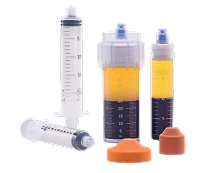
A blood sample is drawn from the patient and processed under controlled conditions.
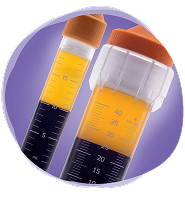
Blood components are separated and PRP is selected.
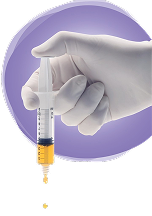
PRP is injected into the injury site.
SAFETY FIRST
PRP contains your own platelets and plasma, meaning almost no risk of disease transmission, allergies or rejection.The treatment is performed in the doctor’s office with no need for surgical facilities, always in full accordance with applicable law.
APPLICATIONS
- Osteoarthritis
- Tendon disorders
- Muscle tears
- Meniscus and ligament injuries
- Foot conditions such as plantar fasciitis
- Surgical procedures
FAQ
One or more applications are recommended with a frequency that depends on the clinical situation and other criteria set by the physician.
Because PRP is made up of your own platelets and plasma, the risk of side effects is very low. However, rare side effects can occur including bleeding, infection at the site of injection, and a temporary increase of pain and inflammation at the site of injection.
• Platelet disorders or high bleeding risk
• Infection in the injury site or active
systemic infection
• Active cancer
• Autoimmune or inflammatory diseases